Dubrovnik Dreams: An Insider’s Travel Guide to Exploring Croatia’s Historic Coastal Gem
Introduction
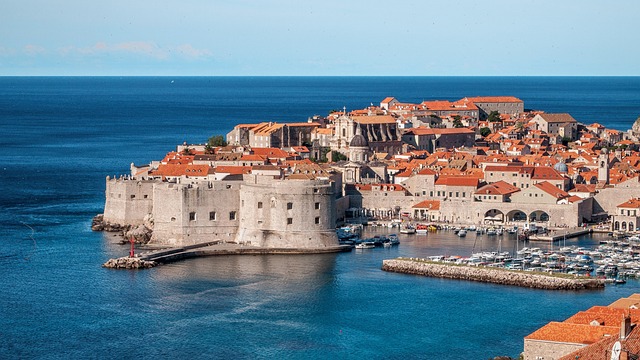
Dubrovnik, often referred to as the “Pearl of the Adriatic,” is a stunning coastal city known for its well-preserved medieval architecture and breathtaking views of the Adriatic Sea. Whether you’re a history buff, a foodie, or a beach lover, Dubrovnik has something to offer everyone. This guide will help you navigate the city’s key neighborhoods, landmarks, cultural attractions, dining and nightlife spots, and hidden gems, along with practical tips to make your visit unforgettable.
Key Neighborhoods
Dubrovnik is divided into several neighborhoods, each with its own unique charm:
- Old Town: The heart of Dubrovnik, featuring cobblestone streets, historic buildings, and the famous City Walls. It’s a UNESCO World Heritage site and a must-visit.
- Pile: The gateway to Old Town, this area is home to the iconic Pile Gate and offers stunning views of the sea.
- Lapad: A more modern area with beautiful beaches, parks, and a promenade lined with cafes and restaurants.
- Montovjerna: A quieter residential area that provides a more local experience while still being close to the city center.
Landmarks and Cultural Attractions
Dubrovnik is rich in history and culture. Here are some key landmarks and attractions to explore:
- City Walls: Walk along the ancient walls that encircle the Old Town for panoramic views of the city and the sea.
- Rector’s Palace: A beautiful example of Gothic-Renaissance architecture, this palace now houses the Cultural History Museum.
- Sponza Palace: A stunning building that showcases a mix of Gothic and Renaissance styles, it serves as a venue for various cultural events.
- Dubrovnik Cathedral: An impressive Baroque cathedral that houses a collection of religious artifacts.
- War Photo Limited: A powerful gallery dedicated to war photography, providing insight into the impact of conflict on the region.
- Maritime Museum: Located in a historic fortress, this museum showcases Dubrovnik’s maritime history.
Dining and Nightlife
Dubrovnik’s culinary scene is a delightful blend of Mediterranean flavors and local ingredients. Here are some dining and nightlife spots to consider:
- Restaurant 360: A Michelin-starred restaurant offering fine dining with stunning views of the Old Town.
- Konoba Dubrava: A charming tavern serving traditional Croatian dishes in a rustic setting.
- Lokanda Peskarija: Located near the Old Port, this restaurant is famous for its fresh seafood.
- Buza Bar: A unique cliffside bar perfect for sipping cocktails while watching the sunset.
- Café Buza: Known for its laid-back atmosphere, it’s a great spot for a coffee or a drink.
Hidden Gems
While Dubrovnik is famous for its main attractions, there are plenty of hidden gems waiting to be discovered:
- Fort Lovrijenac: A fortress that offers stunning views and is less crowded than the main attractions.
- Trsteno Arboretum: A beautiful botanical garden located just a short drive from the city, perfect for a peaceful stroll.
- Lokrum Island: A quick ferry ride away, this island is a great place to explore botanical gardens and historical ruins.
- St. John’s Fortress: A lesser-known fortress that provides a unique perspective of the Old Town and the harbor.
Practical Tips
Transportation
Getting around Dubrovnik is relatively easy. The Old Town is pedestrian-friendly, and walking is the best way to explore. For longer distances, consider using local buses or taxis. The Dubrovnik Card offers unlimited travel on public transport and discounts at various attractions.
Accommodation
Dubrovnik offers a range of accommodation options:
- Budget: Hostels and guesthouses like Hostel Old Town provide affordable options.
- Mid-range: Hotels such as Hotel Petka offer comfortable stays with good amenities.
- Luxury: For a lavish experience, consider the Ritz-Carlton Dubrovnik or the Hotel Excelsior.
Best Times to Visit
The best time to visit Dubrovnik is during the shoulder seasons of spring (April to June) and fall (September to October) when the weather is pleasant, and the crowds are smaller. Summer months can be crowded and hot, making it less enjoyable for some travelers.
Seasonal Events
Dubrovnik hosts several events throughout the year, including:
- Dubrovnik Summer Festival: A cultural festival featuring music, theater, and dance performances held from mid-July to mid-August.
- St. Blaise Festival: Celebrated on February 3rd, this festival honors the city’s patron saint with processions and events.
Local Customs
When visiting Dubrovnik, it’s essential to respect local customs. Dress modestly when visiting religious sites, and it’s customary to greet locals with a friendly “Dobar dan” (Good day).
Safety Advice
Dubrovnik is generally safe for tourists. However, it’s always wise to stay vigilant and keep an eye on your belongings, especially in crowded areas. Emergency services can be reached by dialing 112.
Nearby Day Trip Ideas
If you have extra time, consider exploring these nearby destinations:
- Kotor, Montenegro: A picturesque coastal town known for its stunning fjord and medieval architecture, just a short drive away.
- Mostar, Bosnia and Herzegovina: Famous for its iconic bridge and rich history, Mostar is a great day trip option.
- Cavtat: A charming coastal town located just 30 minutes from Dubrovnik, perfect for a relaxing day by the sea.
Conclusion
Dubrovnik is a city that captivates visitors with its rich history, stunning architecture, and vibrant culture. With this insider’s travel guide, you’re equipped to explore all that this historic coastal gem has to offer. From iconic landmarks to hidden gems, delightful dining, and unforgettable experiences, your Dubrovnik dreams are just a trip away!